Diet Apex | Personalised Nutrition & Diet Plans
Starting a weightloss journey can feel overwhelming, especially with so much conflicting advice available online. From choosing the right workout to understanding how nutrients and hydration affect your progress, it helps to have clear, simple answers in one place. This guide walks you through the most common weightloss questions, covering exercise, diet, hydration, and mindset, so you can build a routine that actually works for you.
Cycling is one of the most effective low-impact exercises for anyone focused on weightloss. It strengthens your legs, improves cardiovascular health, and burns a strong number of calories per session, all while being gentle on your joints.
Why cycling works well for beginners:
For best results, aim for at least 30 minutes of cycling, four to five times a week, paired with a balanced diet.
Running is another highly effective option for burning calories quickly and boosting metabolism. It requires no equipment and can be done almost anywhere, making it convenient for people with busy schedules.
Keep these points in mind before you start running:
Combining running with cycling throughout the week adds variety to your routine while maximizing overall calorie burn.
Water plays a bigger role in weightloss than most people realize. Staying hydrated supports digestion, helps control hunger, and assists your body in flushing out toxins efficiently.
A few practical hydration tips:
While no single vitamin burns fat on its own, several nutrients support your body’s natural fat-burning processes and keep your energy levels steady during a weight loss plan.
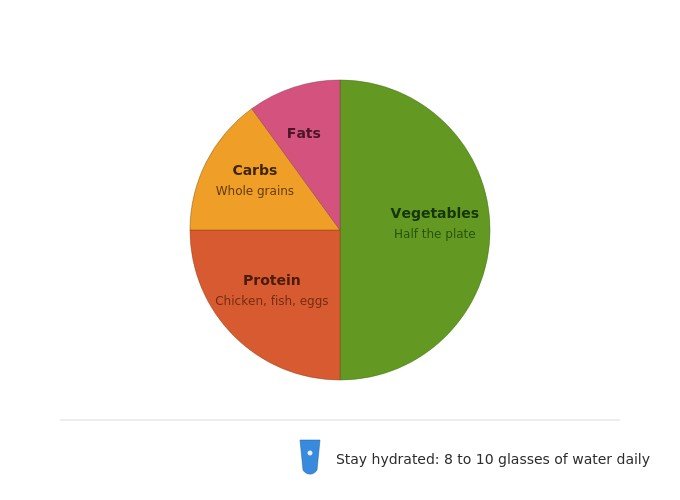
Nutrients worth paying attention to:
A balanced diet rich in fruits, vegetables, and lean proteins usually provides these nutrients naturally, though a doctor can advise on supplementation if needed.
Recent dietary guidelines have shifted focus toward protein and healthy fats as key pillars of sustainable weightloss, rather than simply cutting calories across the board. Protein helps preserve muscle mass while you lose fat, and it keeps you feeling full for longer, reducing the urge to snack.
What this shift means for your daily meals:
Following these updated guidelines can make your weightloss plan more sustainable and easier to stick with long term.
Coffee, particularly black coffee without added sugar or cream, can support your weightloss goals. It contains caffeine, which temporarily boosts metabolism and increases fat burning during exercise, and may also act as a mild appetite suppressant.
Tips for using coffee wisely during weightloss:
Losing 100 pounds is a significant goal that requires patience and consistency rather than quick fixes. Safe, sustainable weightloss generally occurs at a rate of one to two pounds per week.
What this means in practical terms:
Losing 15 pounds in a single month is an aggressive target and generally exceeds the safe pace of weightloss. Extreme calorie restriction can lead to muscle loss, nutrient deficiencies, and a higher chance of regaining weight afterward.
A safer approach focuses on:
Loose or sagging skin is a common concern during any weightloss journey, especially after losing a large amount of weight. The good news is that a few simple habits can help your skin adjust more smoothly.
Avoiding flabby skin comes down to many of the same principles used to prevent looseness: gradual fat loss, proper hydration, adequate protein, and resistance training.
In some cases, skin may not fully tighten on its own, and that is a normal part of significant transformation, not a sign of failure.
Yes, depression can sometimes lead to unintentional weight loss. Mental health conditions often affect appetite, energy levels, and interest in food, which can cause some people to eat significantly less without realizing it.
Addressing mental health is just as important as physical health during any weightloss or weight-change journey.
Successful weightloss isn’t about following one strict rule. It comes from combining the right exercise, proper hydration, balanced nutrition, and patience over time.
With the right approach, sustainable weightloss is achievable for everyone, one consistent habit at a time.
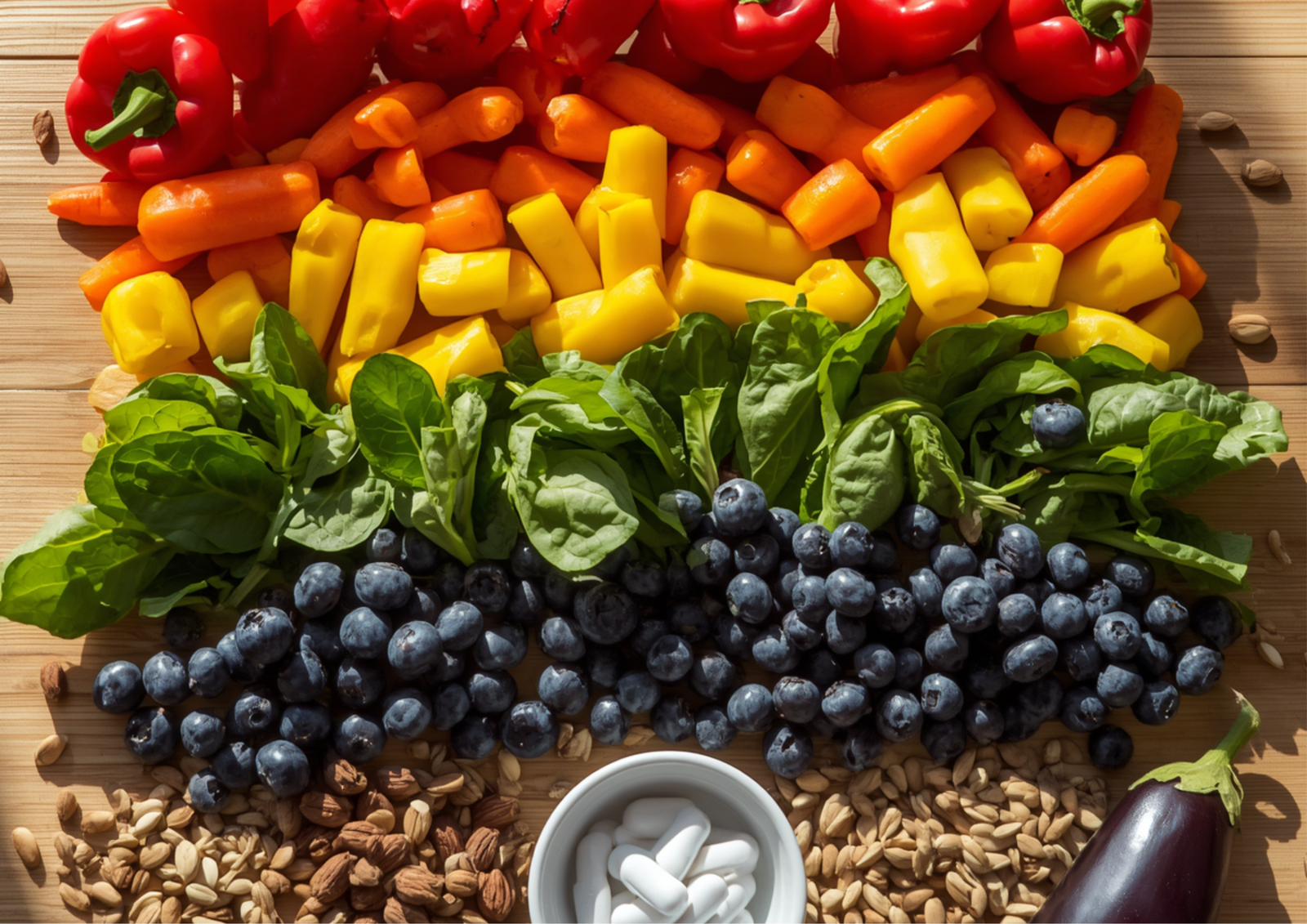
Learn how gut health and weight loss are connected. Discover how your microbiome affects cravings, metabolism and fat storage,
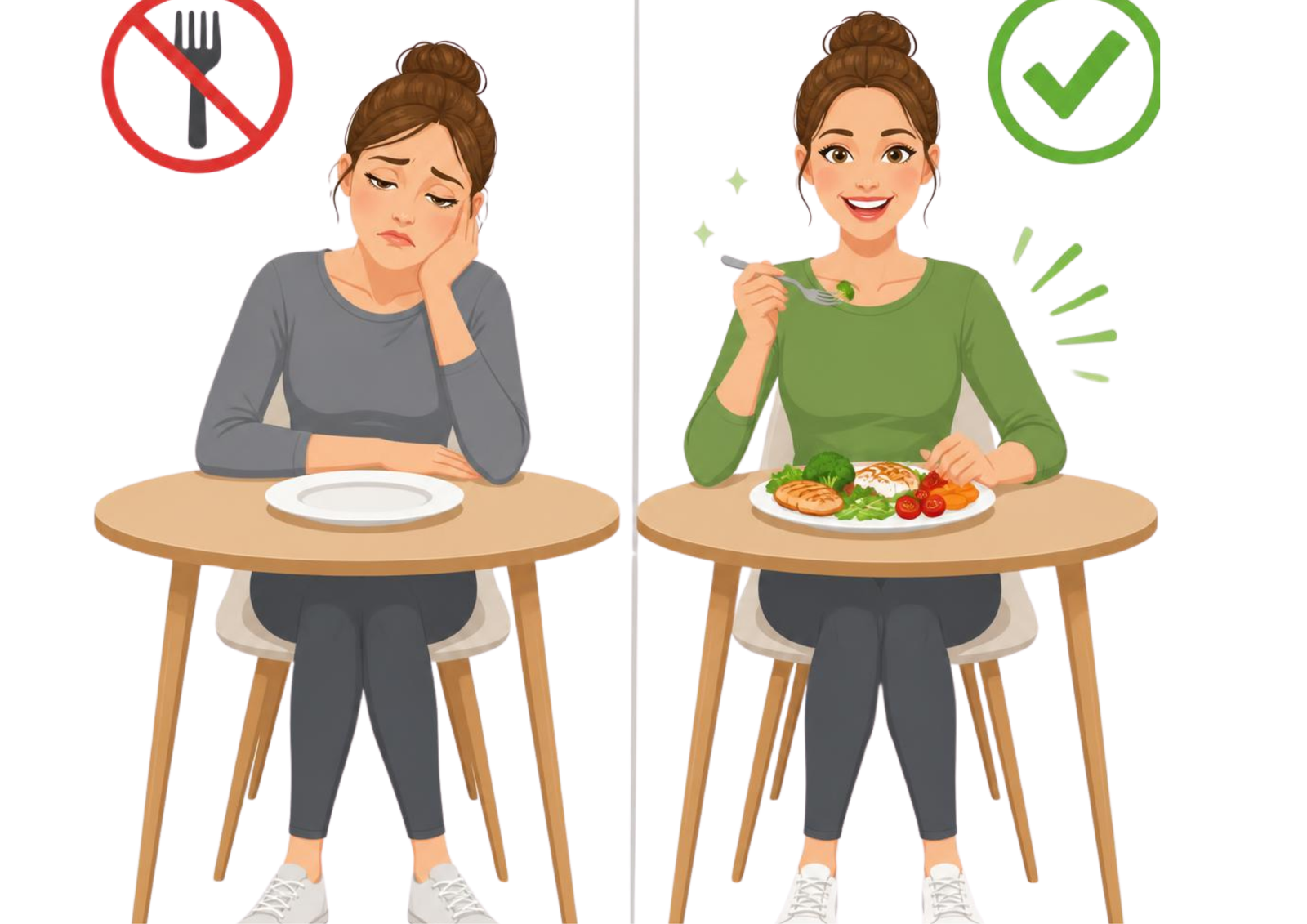
Does intermittent fasting for weight loss really work? Learn how 16:8 fasting works, its benefits, risks, and how to
I am a dedicated nutrition consultant and wellness practitioner helping individuals achieve sustainable health outcomes. At DietApex, I delivers personalized dietary guidance, tailored meal strategies, and holistic health plans designed to empower clients to reach their personal wellness goals.