Diet Apex | Personalised Nutrition & Diet Plans
When people discuss weight loss, the focus is usually on deliberate dietary shifts or exercise protocols. However, sudden or unexplained weight loss can sometimes stem from underlying psychological stress or clinical depression.
While depression is frequently associated with emotional overeating and weight gain, it can also produce the opposite effect—causing severe appetite suppression, digestive distress, and noticeable weight reduction.
The physiological relationship between mental health and body weight involves several interconnected biological systems:
Appetite Suppression & Anhedonia: Depression often diminishes the brain’s reward processing centers. Food may lose its taste and appeal, leading to missed meals and an unintended daily calorie deficit.
Elevated Cortisol Levels: Chronic emotional stress triggers the adrenal glands to release high levels of cortisol and adrenaline. Prolonged elevation of these stress hormones can alter gut motility, impair digestion, and increase resting metabolic burn.
Gastrointestinal Distress: The gut and brain communicate continuously through the vagus nerve (the gut-brain axis). High stress levels often manifest physically as nausea, bloating, abdominal pain, or diarrhea, making eating uncomfortable.
Fatigue and Lethargy: Severe depression can make meal preparation feel overwhelming, leading individuals to rely on small, infrequent snacks rather than structured, nourishing meals.
If you or someone you know is experiencing unexplained weight loss due to stress or depression, focusing on gentle, non-restrictive nutrition is essential for rebuilding strength.
Prioritize Liquid Nutrition: When solid food feels unappealing, nutrient-dense smoothies made with milk or plant milk, protein powder, nut butter, and oats offer quick, easily digestible calories.
Eat Frequent, Small Meals: Instead of attempting three large meals, aim for small, regular snacks every 2 to 3 hours to maintain stable blood sugar levels.
Choose Calorie-Dense Whole Foods: Incorporate healthy fats like avocados, seeds, nuts, and olive oil, which provide higher caloric density in smaller food volumes.
In search of quick solutions, people often turn to unverified home remedies. They seek rapid weight loss, such as extreme juice cleanses, laxative teas, or starvation protocols. Using harsh remedies—especially when body weight is already dropping due to stress. It can lead to severe electrolyte imbalances, muscle wasting, and weakened immunity.
Health and weight management should always be approached through balanced nutrition, gentle movement, and professional mental and physical health support.
Mental health and metabolic health are deeply linked. Addressing emotional distress with the help of a medical professional or counsellor, combined with manageable, steady nutrition, ensures that your body stays nourished and resilient through life’s challenges
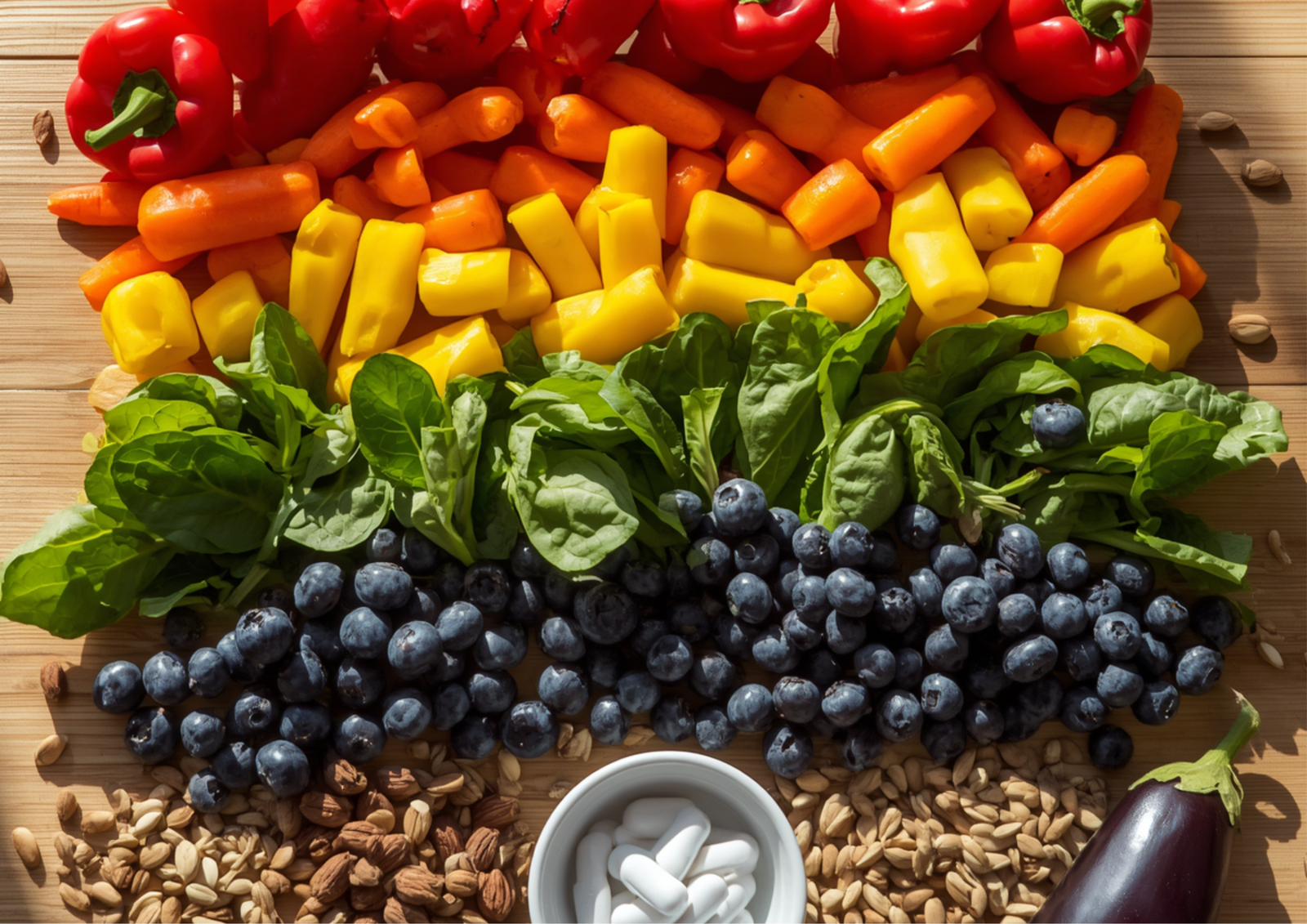
Learn how gut health and weight loss are connected. Discover how your microbiome affects cravings, metabolism and fat storage,
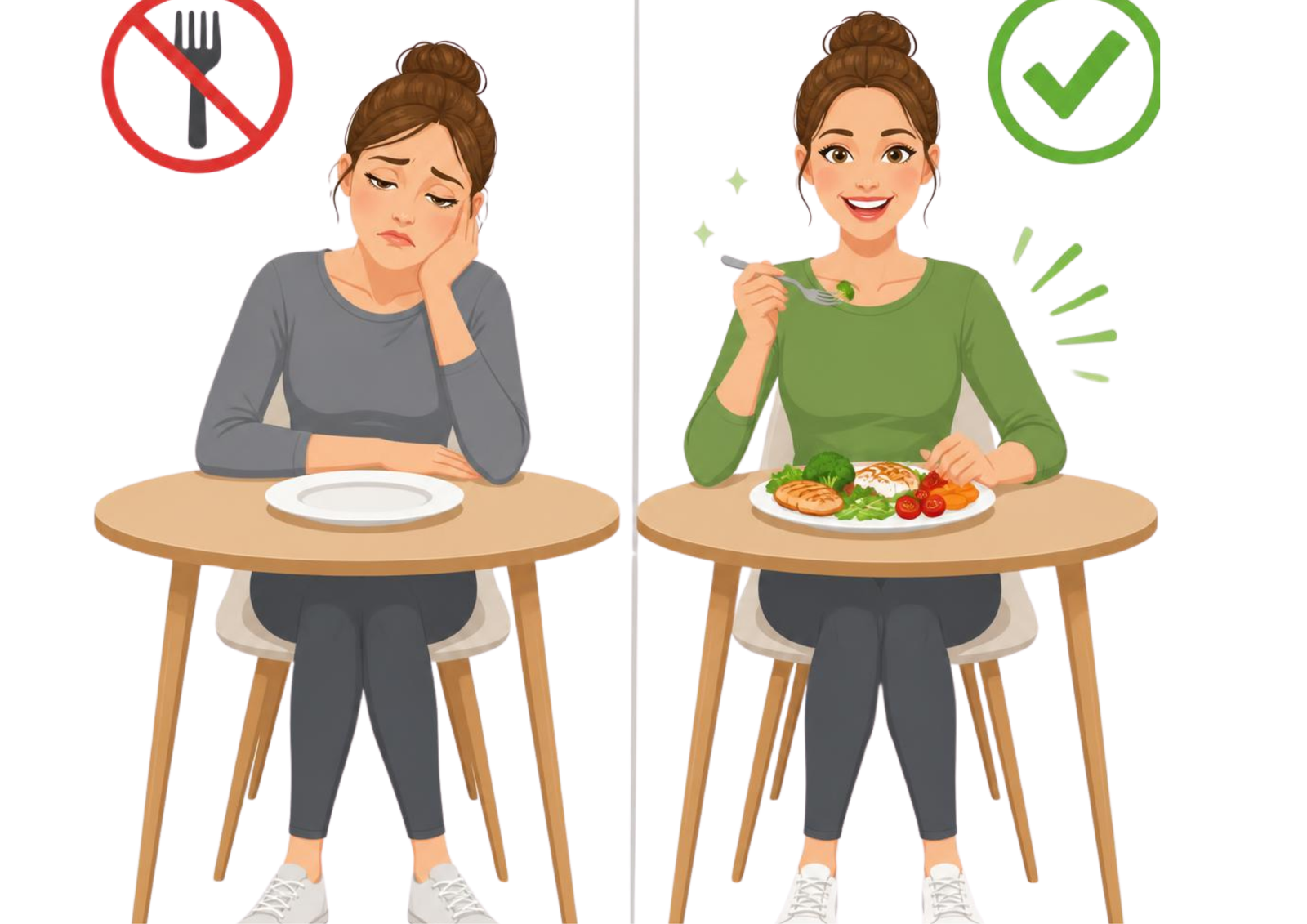
Does intermittent fasting for weight loss really work? Learn how 16:8 fasting works, its benefits, risks, and how to
I am a dedicated nutrition consultant and wellness practitioner helping individuals achieve sustainable health outcomes. At DietApex, I delivers personalized dietary guidance, tailored meal strategies, and holistic health plans designed to empower clients to reach their personal wellness goals.