Diet Apex | Personalised Nutrition & Diet Plans
High-protein foods are the core of muscle-building and maintaining a heart-healthy lifestyle. When people begin a transformation journey, they often think they must choose between two opposing goals. Losing body fat or building lean muscle tissue. However, body recomposition—shedding fat while acquiring muscle mass—is entirely possible when your nutritional strategy centres around high-quality protein foods.
At the core of every successful physique transformation is a solid understanding of muscle-building nutrition. Protein is not merely a macronutrient; it is the fundamental building block of human tissue. The catalyst for muscle recovery and a powerful regulator of hunger and metabolic speed. Consuming a structured, high-protein foods are filled with nutrient-rich foods allows you to stay full. While maintaining a calorie deficit, creating the ideal biological environment for simultaneous fat loss and muscle retention.
In this guide, Dietapex breaks down the top high-protein foods, their physiological advantages, and how to seamlessly integrate them into your daily eating plan.
To understand why choosing the right protein sources matters so much, we must look at how the body processes macronutrients during exercise and calorie restriction.
Every time you consume food, your body expends energy to digest, absorb, and transport those nutrients. Protein has the highest thermic effect of any macronutrient, requiring roughly 20% to 30% of its total calories just to be processed. By replacing refined carbohydrates or heavy fats with high protein foods for weight loss and muscle gain, you naturally elevate your daily metabolic output without extra cardio.
Ghrelin is the hormone responsible for signaling hunger to your brain. High-protein foods suppress ghrelin while stimulating satiety hormones like peptide YY (PYY) and glucagon-like peptide-1 (GLP-1). This appetite regulation prevents overeating and mindless snacking, making calorie control feel effortless rather than restrictive.
When you burn more calories than you consume, your body seeks internal energy stores to bridge the gap. Without sufficient dietary protein, your system will break down muscle tissue through gluconeogenesis. A steady supply of essential amino acids signals your body to preserve lean muscle tissue and burn stored body fat for fuel instead.
Selecting healthy ingredients is only half the battle; combining them correctly across your daily meals is what produces lasting results. A complete meal should pair lean protein with complex carbohydrates and micronutrient-rich vegetables.
Despite decades of nutritional research, several misconceptions surrounding protein intake continue to linger:
Changing your body composition does not require restrictive starvation tactics or boring, tasteless meals. By building your eating habits around versatile high protein foods for weight loss and muscle gain, you can enjoy satisfying meals while consistently progressing toward your fitness goals.
At Dietapex, our certified dietitians and nutrition consultants create customized, easy-to-follow meal plans designed for your unique body type, routine, and tastes. Reach out to Dietapex today to schedule your virtual nutrition consultation!
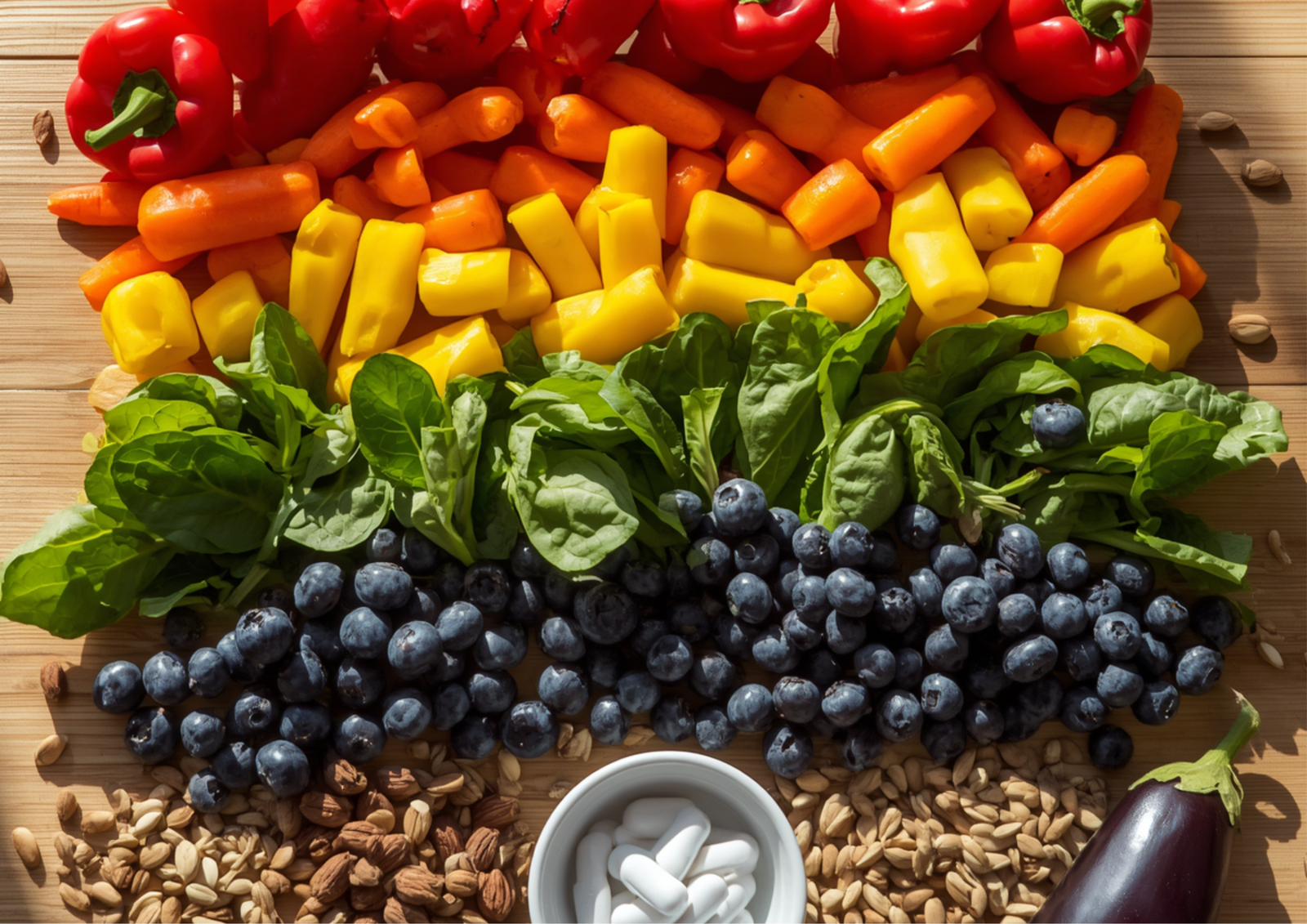
Learn how gut health and weight loss are connected. Discover how your microbiome affects cravings, metabolism and fat storage,
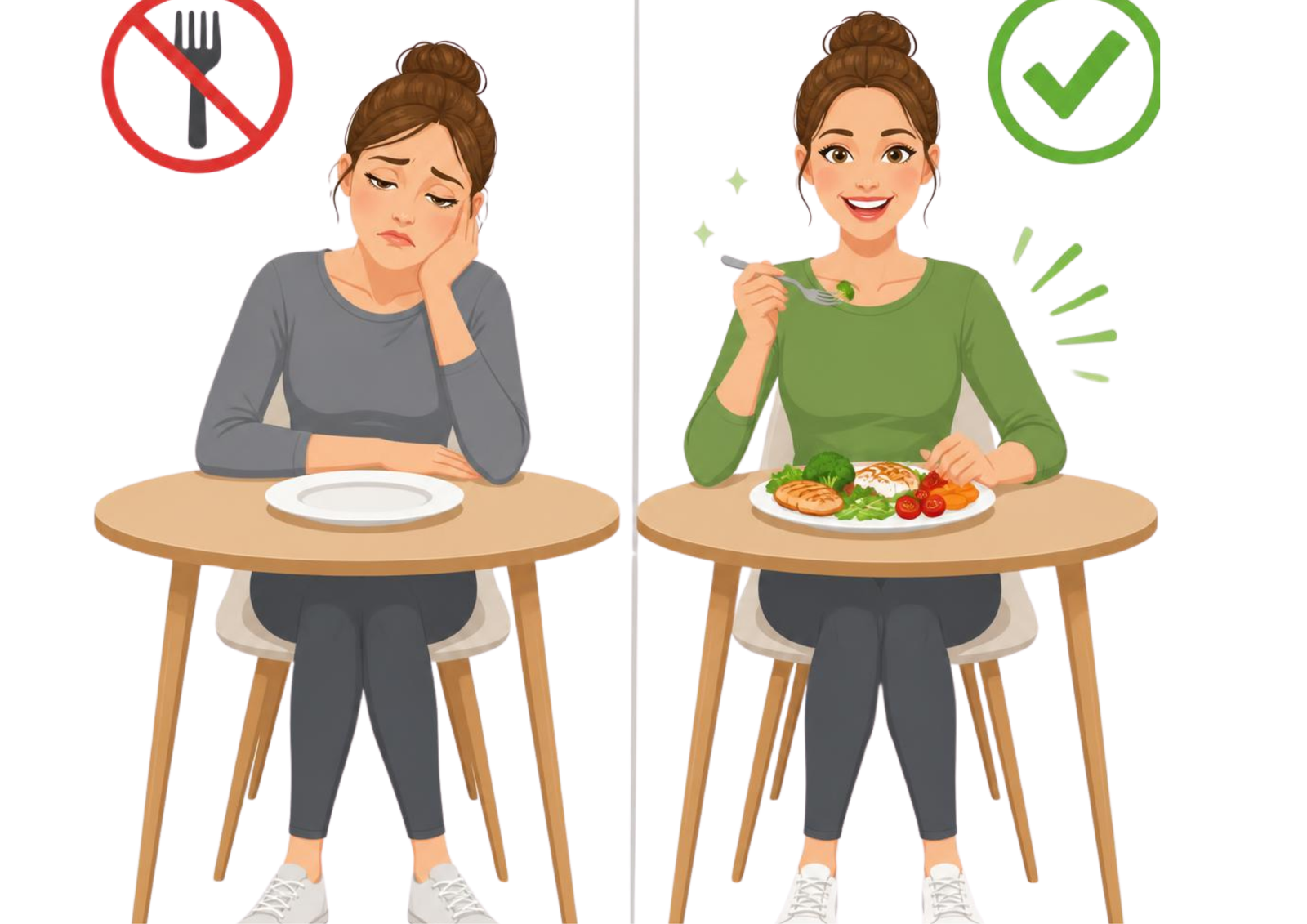
Does intermittent fasting for weight loss really work? Learn how 16:8 fasting works, its benefits, risks, and how to
I am a dedicated nutrition consultant and wellness practitioner helping individuals achieve sustainable health outcomes. At DietApex, I delivers personalized dietary guidance, tailored meal strategies, and holistic health plans designed to empower clients to reach their personal wellness goals.