Diet Apex | Personalised Nutrition & Diet Plans
True success lies in weight management strategies that prioritize health, retain lean muscle mass, and fit smoothly into your daily lifestyle. Achieving long-term health and maintaining a balanced body composition is one of the most rewarding journeys you can undertake. However, with endless fad diets, extreme calorie restriction plans, and aggressive workout regimes circulating on social media, it can be difficult to discern what is genuinely effective from what is harmful.
At Dietapex, we believe that understanding the science of fat loss and adopting a balanced approach to eating is the key to lasting wellness. In this guide, we explore the realistic timelines for weight loss, the risks of rushing the process, and a sample model food plan to help you get started safely.
When embarking on a health journey, the natural desire is to see rapid progress on the scale. However, fast weight loss often comes at the expense of muscle tissue, essential hydration, and metabolic speed.
Medical professionals and registered dietitians agree that the safest amount of weight to lose per week is between 1 to 2 pounds (0.45 to 0.9 kg).
Promotions promising 10 to 15 pounds of weight loss in a single week often rely on extreme fluid depletion and muscle loss. When calories are severely restricted, the body drains its glycogen stores (carbohydrate reserves stored in muscles and liver). Because glycogen holds onto water, shedding it leads to a sudden drop on the scale—but this is water weight, not true body fat.
Furthermore, rapid weight loss can lead to adverse health complications:
To achieve steady fat loss while maintaining vital nutrients and muscle, your diet must revolve around whole, nutrient-dense foods. A structured model food plan for weight management emphasizes balance across macronutrients: lean protein, healthy fats, complex carbohydrates, and abundant dietary fiber.
Protein requires more energy for your body to digest than carbohydrates or fats—a phenomenon known as the Thermic Effect of Food (TEF). Additionally, adequate protein intake helps keep you full for longer and prevents muscle wasting.
Carbohydrates are your brain and body’s primary energy source. Rather than eliminating them, choose slow-digesting complex options rich in fiber.
Fats are essential for hormone synthesis, vitamin absorption (Vitamins A, D, E, K), and brain function.
This daily layout illustrates how balanced nutrition creates satiety without exceeding daily caloric goals:
Nutrition is the core foundation, but weight management requires a holistic lifestyle approach:
Achieving your health goals is a marathon, not a sprint. By aiming for the safest amount of weight to lose per week (1 to 2 pounds) and structuring your meals around a wholesome model food plan for weight management, you ensure that the weight you lose stays off forever.
If you want a customized nutritional roadmap tailored to your specific metabolism, lifestyle, and medical background, the expert team at Dietapex is ready to guide you every step of the way.
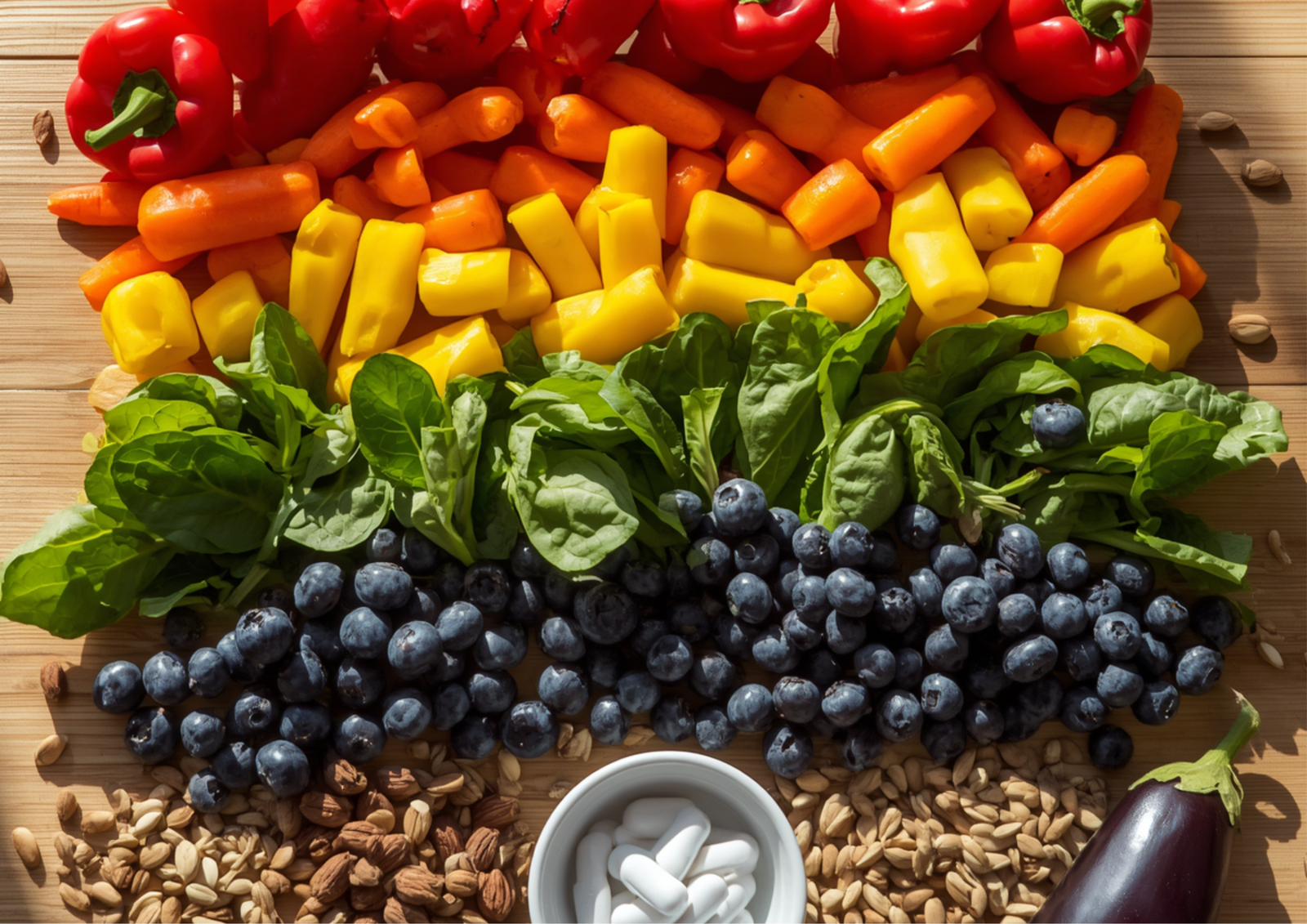
Learn how gut health and weight loss are connected. Discover how your microbiome affects cravings, metabolism and fat storage,

Does intermittent fasting for weight loss really work? Learn how 16:8 fasting works, its benefits, risks, and how to
I am a dedicated nutrition consultant and wellness practitioner helping individuals achieve sustainable health outcomes. At DietApex, I delivers personalized dietary guidance, tailored meal strategies, and holistic health plans designed to empower clients to reach their personal wellness goals.