Diet Apex | Personalised Nutrition & Diet Plans
Body recomposition—the process of simultaneously dropping body fat while preserving or building lean muscle tissue—represents a far superior approach to improving metabolic health, athletic capability, and body shape.
Achieving fat reduction without a significant drop in scale weight requires understanding muscle density versus fat volume. Muscle tissue is significantly denser than adipose (fat) tissue, meaning a pound of muscle occupies far less physical space than a pound of fat while burning more energy at rest.
+-------------------------------------------------------------------+
|                     BODY RECOMPOSITION PHENOMENON                 |
+-------------------------------------------------------------------+
|  1. ADIPOSE (FAT) LOSS      --->  Volume Decreases Significantly  |
|  2. LEAN MUSCLE GAIN       --->  Density & Metabolism Increase    |
|  3. TOTAL SCALE WEIGHT     --->  Remains Reluctantly Stable        |
+-------------------------------------------------------------------+
When you build muscle while losing fat, the bathroom scale may stay flat, yet your waistline shrinks, posture improves, and overall body composition transforms visibly.
To execute body recomposition effectively, your daily eating plan must move away from severe caloric restriction and focus on nutrient quality, macronutrient distribution, and proper meal timing.
A well-balanced nutrition plan relies on whole, minimally processed ingredients across the 5 basic food groups:
Lean Proteins: Poultry, fish, tofu, eggs, and legumes (provides amino acids essential for muscle tissue synthesis).
Vegetables: Dark leafy greens, cruciferous vegetables, and colorful root plants (supplies fiber, antioxidants, and essential micronutrients).
Fruits: Berries, apples, citrus, and melons (deliver natural energy, hydration, and critical vitamins).
Whole Grains: Quinoa, oats, brown rice, and farro (offer sustained complex carbohydrates for workout performance).
Healthy Fats & Dairy/Alternatives: Avocados, nuts, seeds, olive oil, and Greek yoghurt (supports hormonal balance and joint recovery).
Instead of counting every calorie, structuring your plate visually provides an easy, sustainable method for daily nutrient control:
+-------------------------------------------------------------------+
|                        THE HEALTHY PLATE MODEL                    |
+-------------------------------------------------------------------+
|                                 |                                 |
|          NON-STARCHY            |           LEAN PROTEIN          |
|           VEGETABLES            |            SOURCES              |
|             (50%)               |             (25%)               |
|                                 |                                 |
|---------------------------------+---------------------------------|
|                      COMPLEX CARBOHYDRATES                        |
|                              (25%)                                |
+-------------------------------------------------------------------+
Selecting high-satiety, nutrient-dense foods ensures your body receives maximum vitamins and minerals per calorie consumed, preventing energy crashes during intense training cycles.
| Food Category | Top Nutrient-Dense Choices | Recomposition Role |
| Proteins | Egg whites, wild salmon, chicken breast, cottage cheese | Stimulates muscle protein synthesis |
| Carbohydrates | Sweet potatoes, wild rice, steel-cut oats, lentils | Replenishes muscle glycogen stores |
| Fats | Extra virgin olive oil, almonds, chia seeds, avocados | Maintains healthy hormone output |
| Micronutrients | Spinach, kale, blueberries, bell peppers | Reduces exercise-induced oxidative stress |
Meeting the daily nutritional requirements for females engaging in resistance training requires adequate energy intake paired with precise protein distribution.
Breakfast: 3 scrambled egg whites + 1 whole egg cooked with spinach, paired with 1/2 cup cooked steel-cut oats topped with fresh blueberries.
Mid-Morning Snack: Low-fat Greek yogurt mixed with 1 tablespoon of ground flaxseeds and sliced strawberries.
Lunch: Grilled turkey breast served over a large bowl of mixed greens, cucumbers, cherry tomatoes, quinoa, and an olive oil vinaigrette.
Post-Workout Fuel: Whey or plant protein isolate mixed with almond milk and a small banana.
Dinner: Baked cod or tofu served alongside roasted asparagus, steamed broccoli, and baked sweet potato wedges.
Combining consistent resistance training with a targeted nutrient-dense food strategy allows you to build a strong, lean, and resilient physique without relying on drastic calorie cuts.
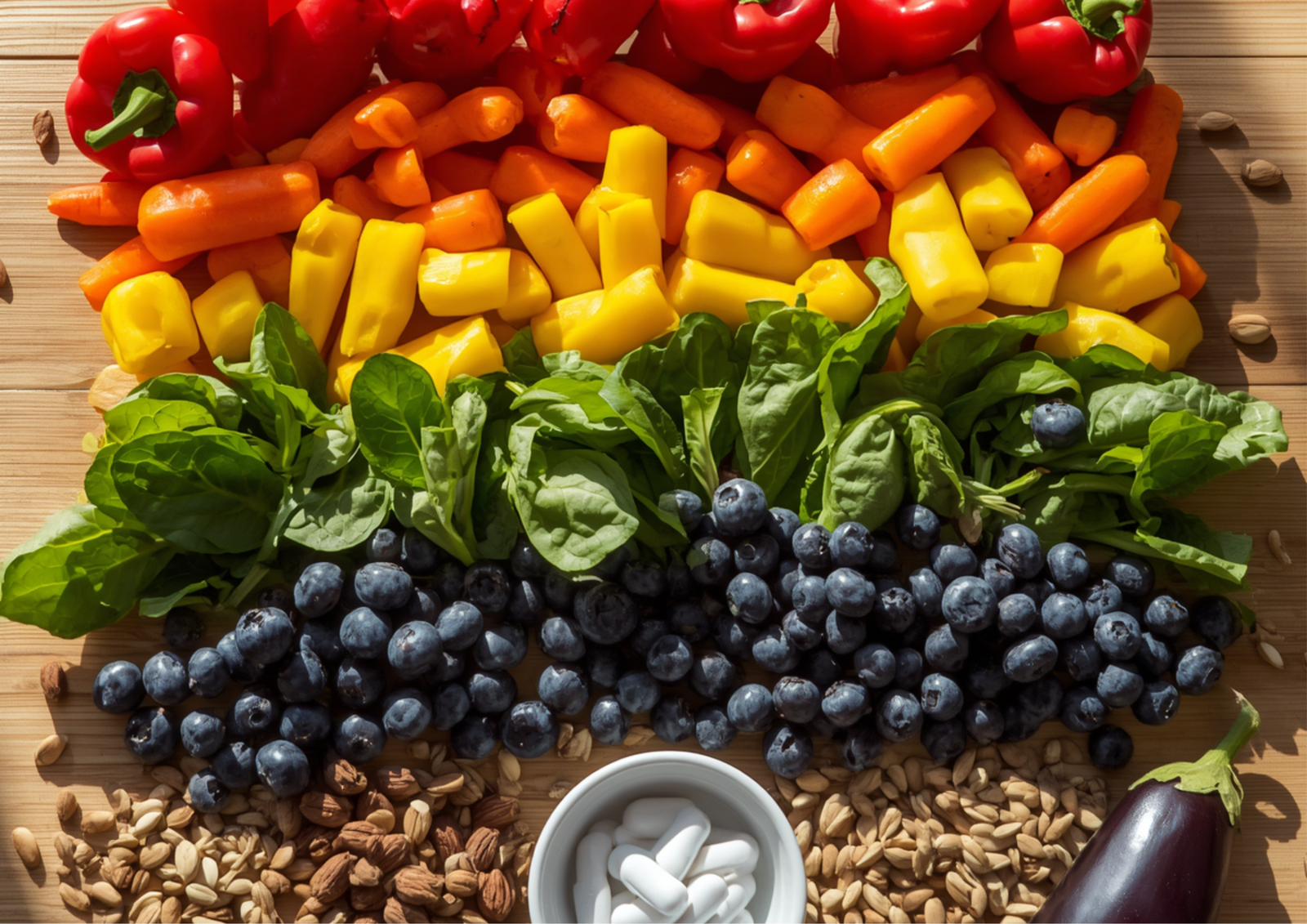
Learn how gut health and weight loss are connected. Discover how your microbiome affects cravings, metabolism and fat storage,
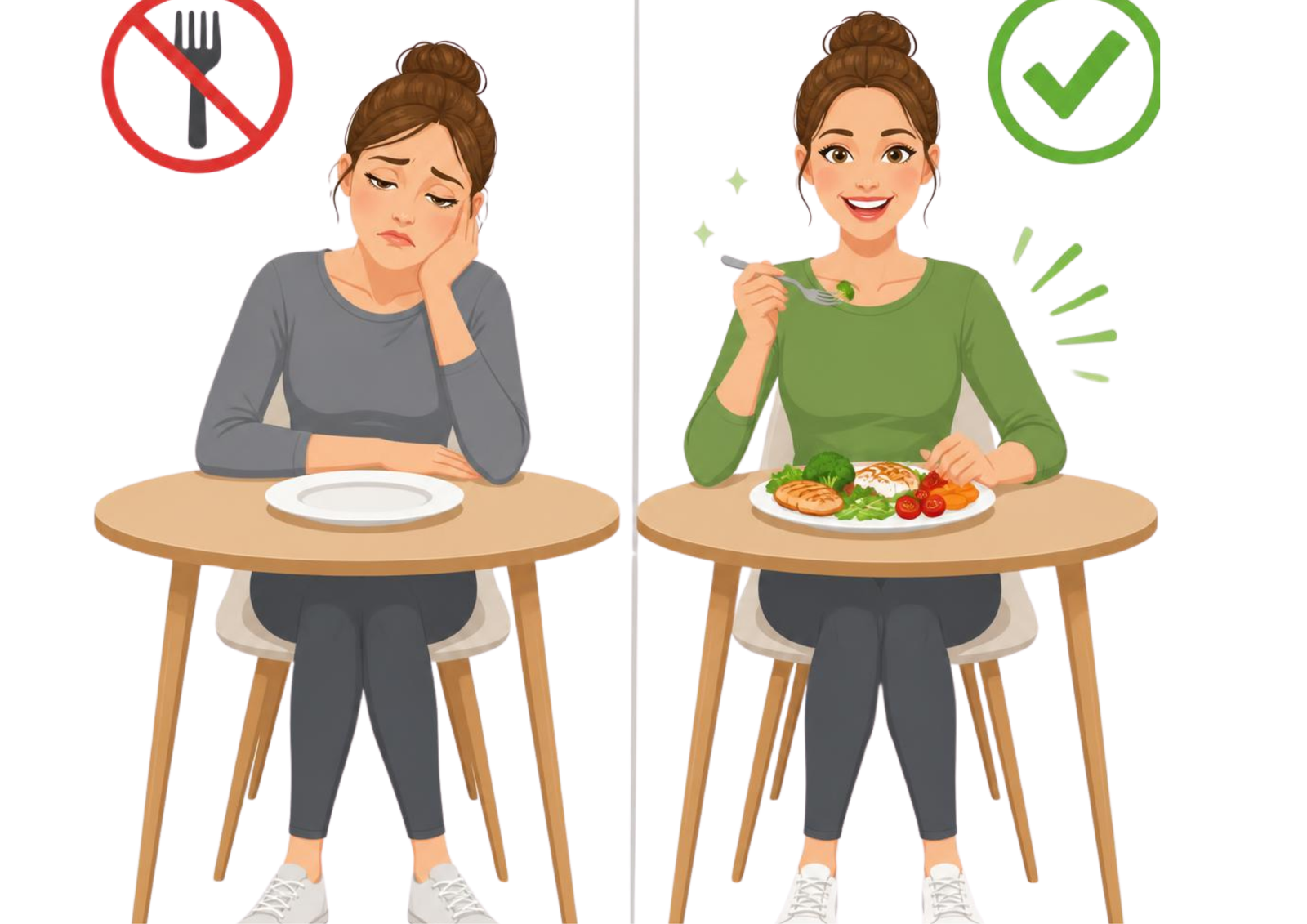
Does intermittent fasting for weight loss really work? Learn how 16:8 fasting works, its benefits, risks, and how to
I am a dedicated nutrition consultant and wellness practitioner helping individuals achieve sustainable health outcomes. At DietApex, I delivers personalized dietary guidance, tailored meal strategies, and holistic health plans designed to empower clients to reach their personal wellness goals.