Diet Apex | Personalised Nutrition & Diet Plans
How to Lose 100 Pounds is a burning question nowadays. Losing 100 pounds is a life-changing health milestone, but it requires patience and strategic planning. Attempting to rush this process through extreme starvation diets almost always leads to metabolic slowdown, muscle wasting, and severe weight rebound.
Based on clinical guidelines for safe weight reduction (1 to 2 pounds per week), losing 100 pounds safely typically takes 50 to 100 weeks (roughly 1 to 2 years).
Aggressive Rate (2 lbs/week): ~50 weeks (~1 year)
Moderate Rate (1 to 1.5 lbs/week): ~66 to 100 weeks (~1.5 to 2 years)
A multi-phase approach allows your body’s metabolic rate and skin elasticity to adjust gradually, making the weight loss permanent rather than temporary.
A common misconception is that eating clean and losing weight requires expensive specialty products. In reality, the cheapest diet for sustainable fat loss centers on minimally processed, staple whole foods bought in bulk.
To build a whole food meal plan on a budget, focus on cost-effective staples:
Proteins: Canned tuna, eggs, dry lentils, black beans, canned chickpeas, frozen chicken breasts.
Carbohydrates: Oats, brown rice, sweet potatoes, whole barley.
Fats: Peanut butter, bulk sunflower seeds, extra virgin olive oil.
Produce: Frozen mixed vegetables, seasonal fresh fruits, onions, cabbage.
Nutrient density refers to the concentration of essential vitamins, minerals, and fiber relative to total calories. Prioritizing high-nutrient, low-calorie foods keeps you full during a calorie deficit while keeping grocery costs low.
| Category | High-Value Nutrient-Dense Choices | Key Health Benefits |
| Leafy Greens & Veggies | Spinach, broccoli, cabbage, carrots | High fiber, rich in vitamins A, C, and K |
| Legumes & Beans | Lentils, kidney beans, split peas | Packed with plant protein and slow-digesting carbs |
| Whole Grains | Whole oats, quinoa, brown rice | Provides steady energy and B vitamins |
| Lean Proteins | Eggs, canned sardines, chicken liver | High bioavailability of iron, B12, and protein |
| Seeds & Nuts | Flaxseeds, chia seeds, peanuts | Rich in healthy omega-3 fatty acids |
A 100-pound weight loss transformation is a marathon, not a sprint. Focusing on whole, nutrient-dense foods keeps your body properly nourished, while budget-conscious shopping ensures your health journey remains financially sustainable.
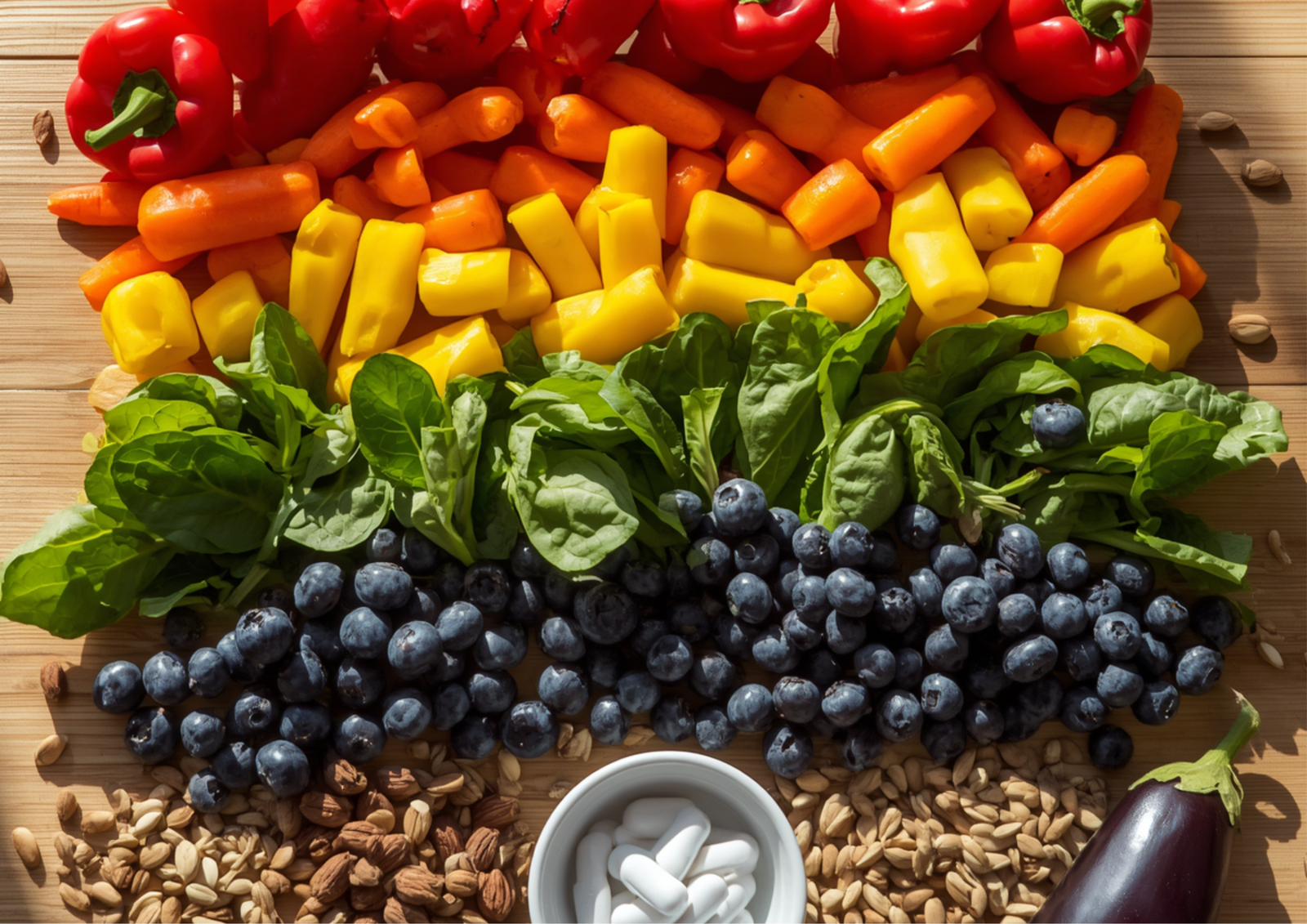
Learn how gut health and weight loss are connected. Discover how your microbiome affects cravings, metabolism and fat storage,
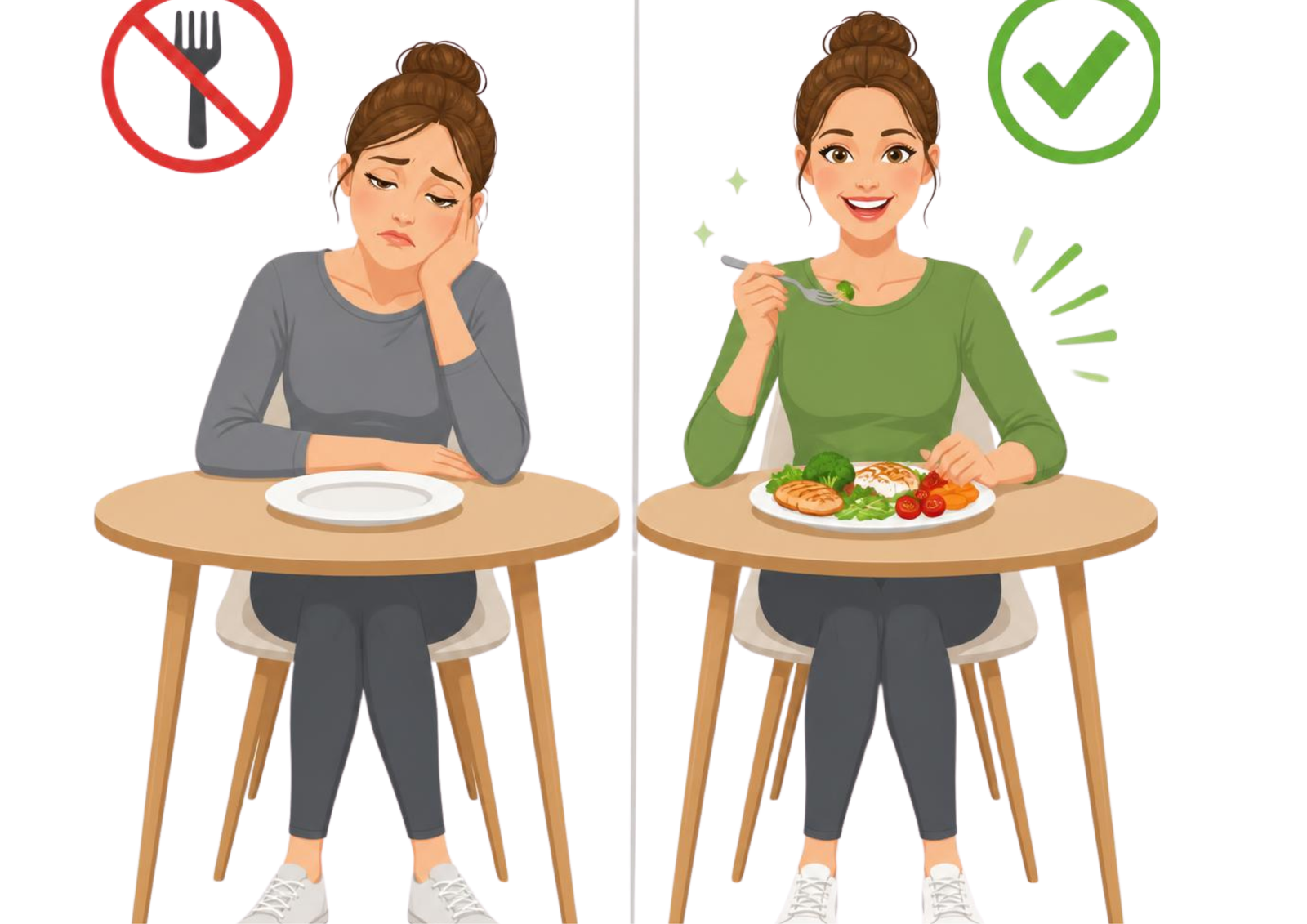
Does intermittent fasting for weight loss really work? Learn how 16:8 fasting works, its benefits, risks, and how to
I am a dedicated nutrition consultant and wellness practitioner helping individuals achieve sustainable health outcomes. At DietApex, I delivers personalized dietary guidance, tailored meal strategies, and holistic health plans designed to empower clients to reach their personal wellness goals.