Diet Apex | Personalised Nutrition & Diet Plans
When we think about losing weight, we usually think about calories, workouts and willpower. Very few of us think about our gut. But a growing body of research suggests that the trillions of tiny organisms living in your digestive system may play a real part in how easily you gain or lose weight. The link between gut health and weight loss is still being studied, yet the early findings are interesting and, better still, practical. In this article, we explain what the gut microbiome is, how it may influence your weight, and what you can eat to look after it.
Your gut is home to trillions of bacteria, along with fungi and other microbes. Together they are known as the gut microbiome. Most of them are harmless or helpful. They help break down food, make certain vitamins, support your immune system and protect the gut lining.
Every person has a different mix of microbes, shaped by genes, diet, medication, sleep, stress and the environment. This is one reason two people can eat the same meals and still see different results on the scale.
Scientists are still piecing the puzzle together, but several links have been suggested. Studies often find that people living with obesity tend to have a less diverse gut microbiome than people at a healthy weight. A varied microbiome seems to be linked with better metabolic health.
It is important to be honest here. The microbiome is not a magic switch for weight loss. It is one piece of a bigger picture that also includes food choices, movement, sleep and stress.
An unhappy gut does not always show up as stomach pain. Watch for these common signals:
These symptoms can have many causes, so if they continue, it is wise to speak with a doctor rather than guess.
The good news is that you do not need expensive products to support your gut. Everyday foods do most of the work. The aim is to feed your good bacteria and add variety.
A simple goal is to eat as many different plant foods as you can across the week. Variety tends to lead to a more diverse microbiome.
Probiotics are live bacteria sold as supplements and added to some foods. Some small studies show a modest effect on body weight, but results are mixed and depend heavily on the strain. Probiotics for weight loss are not a replacement for balanced eating. If you want to try one, speak with a healthcare professional first, especially if you have a health condition or a weak immune system. For most people, getting live cultures from fermented foods is an easy and affordable place to start.
Some everyday habits may quietly work against a healthy microbiome:
You do not have to change everything at once. Small, steady steps are easier to keep. Add one extra vegetable to your dinner, swap white bread for a wholegrain option, or have a small bowl of plain yogurt as a snack. Drink enough water, move your body most days and aim for a regular sleep routine. Increase fibre slowly over a couple of weeks to avoid gas and bloating. It also helps to keep a simple food diary for a week and note which meals leave you feeling light and which leave you bloated. That insight is often more useful than any generic rule.
How long does it take to improve gut health?
Some people notice better digestion within a few weeks of eating more fibre and fermented foods, although lasting changes in the microbiome take longer.
Can improving gut health alone make me lose weight?
Not on its own. A healthy gut can support your efforts, but balanced meals, activity and sleep still matter most.
The connection between gut health and weight loss is a reminder that the body works as a whole. Looking after your microbiome will not replace good nutrition or exercise, but it may make healthy habits easier to follow. Focus on fibre, plant variety and fermented foods, avoid too much processed food, and be patient. If you have ongoing digestive symptoms or a medical condition, a registered dietitian or doctor can guide you safely.
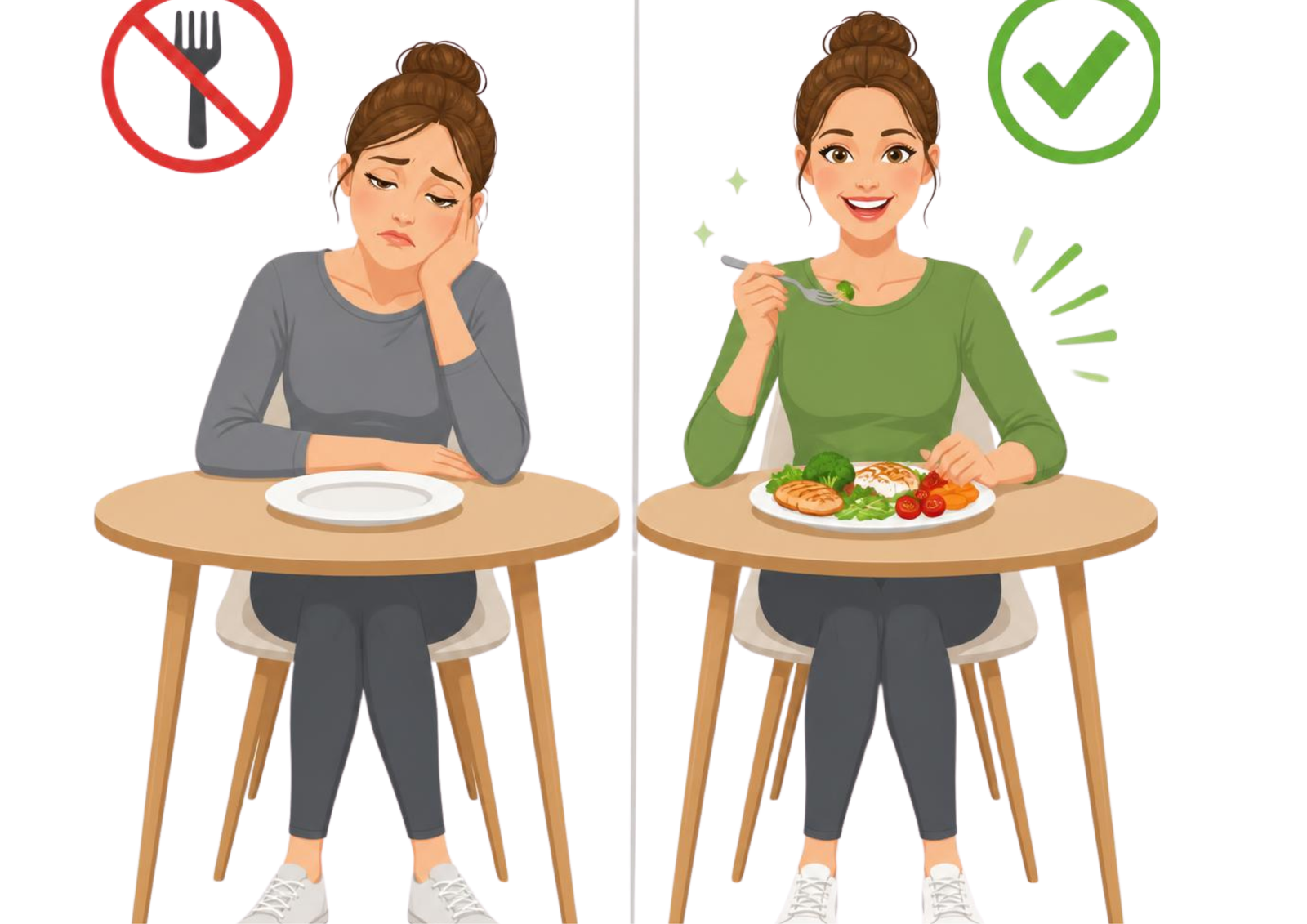
Does intermittent fasting for weight loss really work? Learn how 16:8 fasting works, its benefits, risks, and how to
I am a dedicated nutrition consultant and wellness practitioner helping individuals achieve sustainable health outcomes. At DietApex, I delivers personalized dietary guidance, tailored meal strategies, and holistic health plans designed to empower clients to reach their personal wellness goals.